E-invoicing in France: a guide for sports coaches

If you coach in France, electronic invoicing (e-invoicing) is becoming mandatory for your business too. Most coaches invoice individuals, so your main obligation has a specific name: e-reporting. Here is what actually changes, on which dates, and how to get ready without turning it into a project. (Updated 22 June 2026.)
The reform in two dates
The reform rolls out in two stages. From 1 September 2026, every business in France, micro-entrepreneurs included, must be able to receive an electronic invoice. From 1 September 2027, the obligation to issue invoices in an electronic format and to transmit transaction data (e-reporting) extends to small businesses and micro-entreprises.
For a self-employed coach, the date that really matters is therefore September 2027, with an earlier receiving step a year before. The calendar has shifted before, so check it on the French tax authority’s site.
First, from 2026 you must be able to receive
Most of the talk is about issuing, but the first step is receiving. From 1 September 2026, your own suppliers (equipment, software, insurance, services) can start sending you invoices in electronic format. To receive them, you need to be reachable on an approved platform and listed in the central business directory.
You have nothing to issue yourself at this stage: it is mainly about opening an account on a platform and being listed, ideally before the summer of 2026 so nothing catches you out.
You invoice individuals? E-reporting is your obligation
The distinction that matters most for a coach is the type of client, and many guides gloss over it. Structured e-invoicing covers business-to-business operations: invoicing a gym, a company, a VAT-registered association. Your sessions sold to private individuals go through a different mechanism, e-reporting, which means transmitting the data of those sales to the tax authority via an approved platform. E-reporting covers the aggregated data of your sales (amounts, periods) rather than a named invoice for each client, and you keep giving your clients a receipt the way you do today.
In practice, a coach who mostly bills individuals will mostly do e-reporting from September 2027, and will issue electronic invoices for any business clients. Knowing which bucket each client falls into (individual or business) is enough to know what is coming.
Yes, even under the VAT franchise
A common assumption is “I don’t charge VAT, so this isn’t for me.” That is incorrect. The VAT franchise (franchise en base de TVA) does not take you out of the reform. You still have to receive electronic invoices from 2026, then do your e-reporting and issue electronic invoices to business clients from 2027.
A concrete example
Take a common case. You coach 25 individual clients one-to-one and, once a quarter, you run a workshop for a company. For your 25 individuals you do not create a structured e-invoice: you fall under e-reporting, your sales data sent through your platform from September 2027. For the company, a business client, you issue a real electronic invoice in Factur-X, sent through the same platform.
The rule to remember is simple: an individual client goes through e-reporting, a business client through e-invoicing. Once that grid is in your head, nothing in the reform is really surprising for a coach.
Approved platforms, and why the public portal isn’t enough
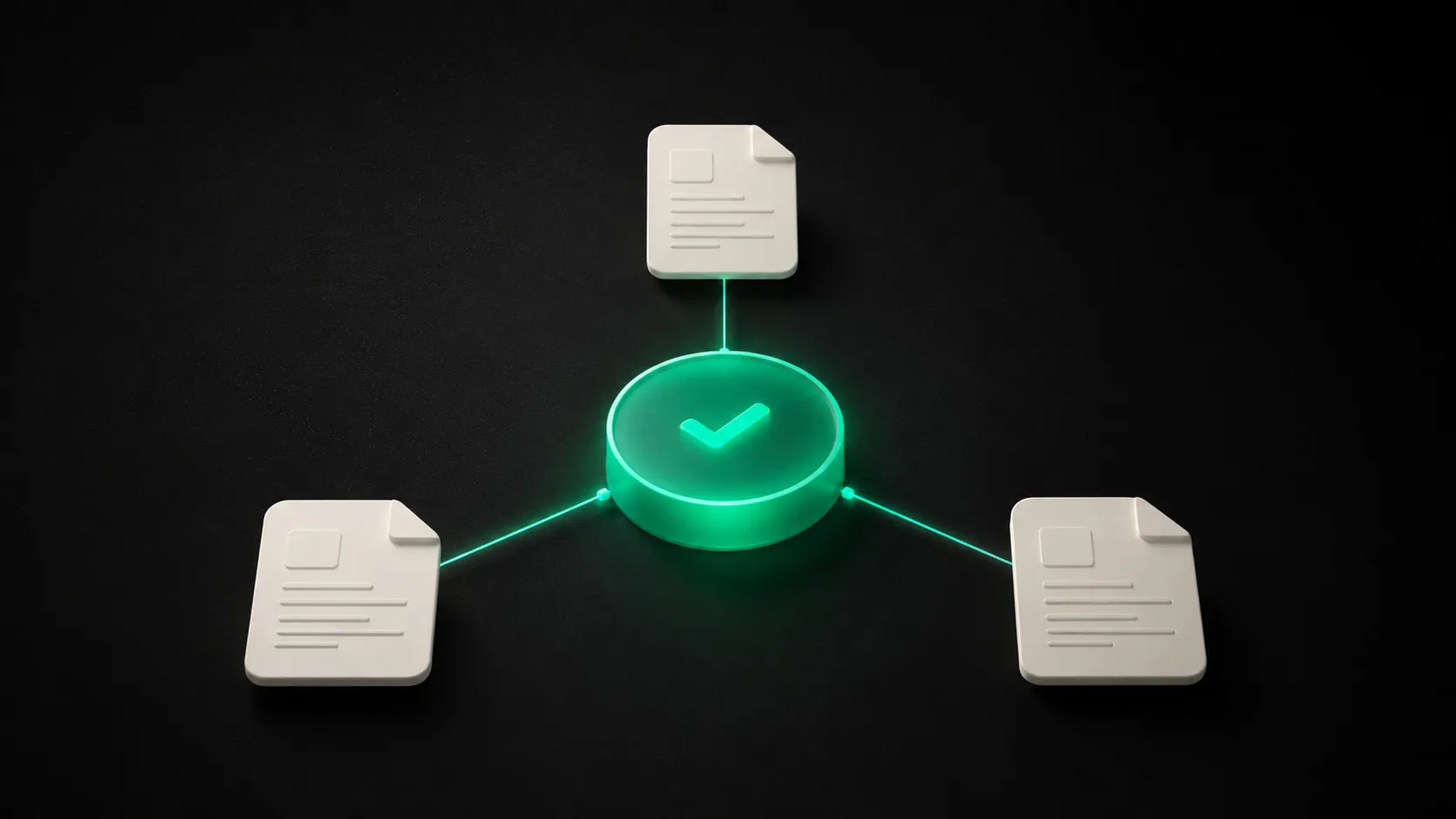
There is no free public portal to issue and receive your invoices. The public invoicing portal, once announced as free, was repositioned in late 2024 as a directory and a data concentrator. To issue, receive and transmit your invoices you must go through an approved platform (a plateforme agréée, the former “PDP”, renamed in 2025). The authority has already listed more than a hundred of them; the official list is on impots.gouv.fr. It should not be confused with Chorus Pro, the portal for invoicing the public sector.
One thing worth keeping in mind: an invoicing tool and an approved platform play different roles. The tool helps you create and track invoices; the platform is the official channel they travel through. Your software needs to connect to an approved platform, or rely on one.
A PDF will no longer do
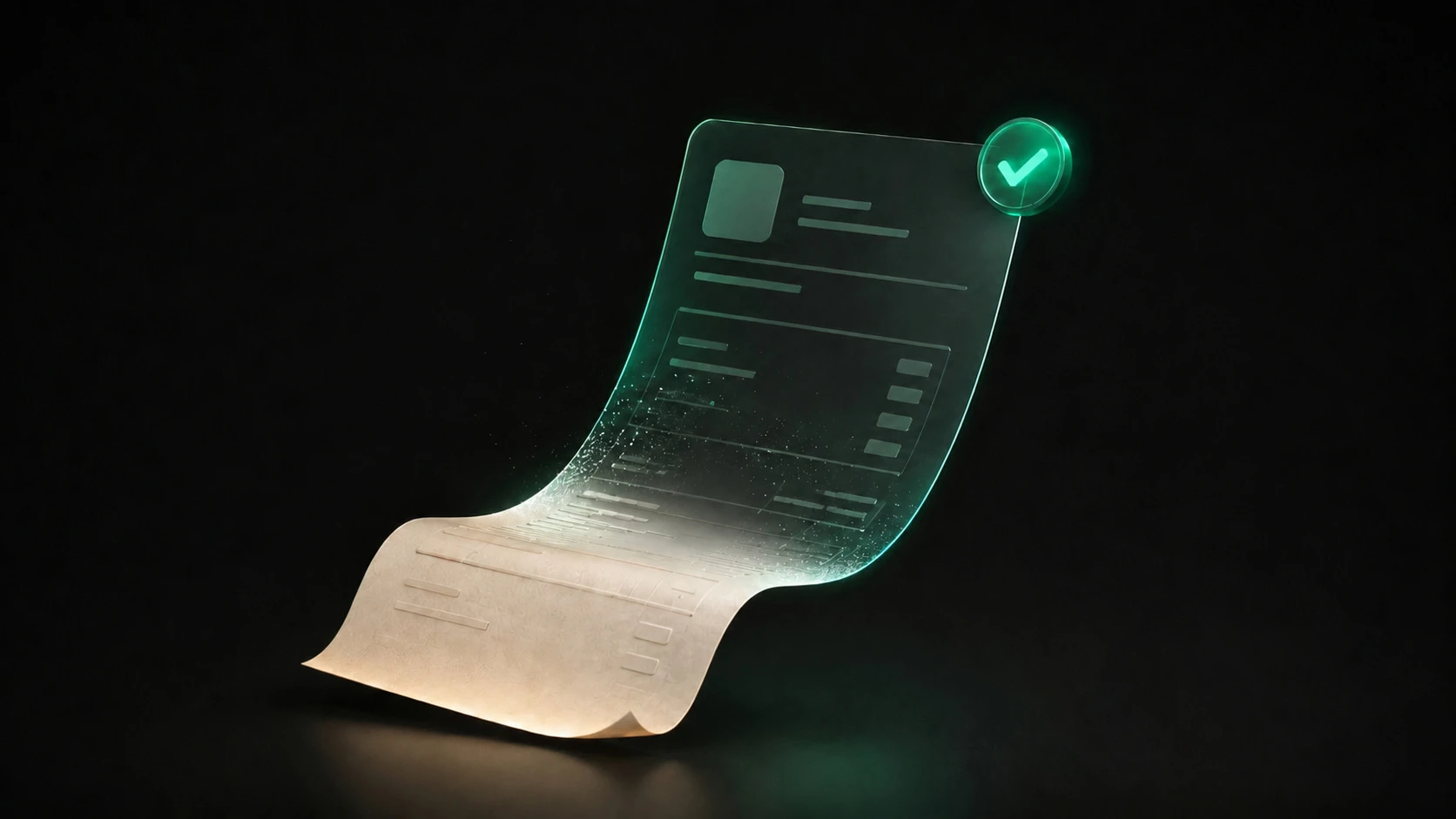
Once your deadline arrives, an ordinary PDF emailed to a business client is no longer a compliant invoice. An electronic invoice is a structured, machine-readable file. Three formats are accepted: Factur-X (a PDF with an embedded XML data file), UBL and CII. Approved platforms convert between them, so you don’t have to pick the right one by hand.
Penalties, without the drama
The loi de finances 2026 raised the amounts, though the system leaves room to correct. Expect 50 € per invoice not issued electronically and 500 € per missed e-reporting, each capped at 15,000 € per year. For operating without an approved platform, 500 € then 1,000 € after a formal notice. A first infraction corrected promptly is not penalised, and nothing applies before your own deadline, September 2027 for a coach on the micro-entreprise regime.
What you don’t have to handle
The reform worries people more than it complicates their work, provided you have the right tool. You don’t have to code anything or deal with the technical formats: the approved platform converts and transmits for you. Until 2027, nothing changes in how you invoice your individual clients.
When the time comes, it comes down to two things: being connected to an approved platform, and letting your software produce the right format. The rest is the tool’s job, not yours.
How to prepare
Nothing forces you to sort it all out this month, but a few simple steps will spare you the last-minute rush.
- By September 2026: choose an approved platform (or a tool that connects to one) and make sure you can receive an electronic invoice.
- Update your business clients’ details, their SIREN in particular, if you have any.
- During 2027: test issuing a Factur-X invoice and review your mandatory invoice fields.
- Keep your sales to individuals well recorded: they are the raw material of your e-reporting.
Where Athletis makes it simpler
With Athletis, your invoicing, payments and reminders live in one place, and your invoices are compliant with the reform, so compliance never becomes another file to handle between sessions. A coach should not be penalised for spending their time on what they do best, coaching.
For the rest of your admin, our guide to personal trainer software and CRM and our article on setting your prices round out the picture, and you can see how we approach invoicing in the Athletis features.
Electronic invoicing is not out of reach for a coach. Remember the two dates (receiving in 2026, issuing and e-reporting in 2027), the fact that individual clients fall under e-reporting, and the need to go through an approved platform. The rest comes down to your tool and a little planning.
Frequently asked questions
Does the French e-invoicing reform apply to me as a self-employed coach?
I invoice individuals, not companies. What changes for me?
Is a PDF invoice still enough?
Does Athletis handle e-invoicing?